
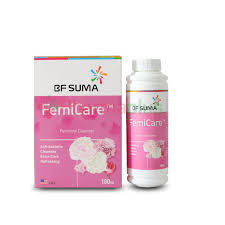
The Complete Guide to Botanical Feminine Hygiene: Gentle, Effective, and Science-Backed
Introduction: Returning to What Actually Works
For thousands of years, women across cultures used plant-based preparations for intimate hygiene — herbal sitz baths, botanical washes, and gentle cleansing solutions derived from the natural world. These ancestral practices, often dismissed by modern marketing as primitive, are now being validated by contemporary research as not only safe but superior to many synthetic alternatives. The botanical ingredients traditionally used for feminine care contain bioactive compounds that cleanse gently, soothe irritated tissue, support beneficial bacterial populations, and maintain the acidic pH that protects intimate health.
The modern botanical feminine hygiene movement is not about rejecting science — it is about applying scientific understanding to natural ingredients that have proven their worth across centuries of use. This guide explores the key botanical ingredients that make plant-based feminine care both effective and safe, and provides a practical framework for building an intimate care routine that works with your body rather than against it.
Key Botanical Ingredients for Feminine Hygiene
Aloe Vera (Aloe barbadensis)
Aloe vera is one of the most extensively researched botanical ingredients in personal care, and for good reason. The clear gel inside aloe leaves contains over 75 bioactive compounds, including vitamins, enzymes, minerals, sugars, lignin, saponins, salicylic acids, and amino acids. For intimate care, aloe's most valuable properties are its anti-inflammatory effects, its wound-healing promotion, and its natural moisturizing capacity. Aloe's polysaccharides — particularly acemannan — support tissue repair and create a soothing protective film over irritated skin. Critically, aloe vera has a naturally acidic pH of approximately 4.5, making it inherently compatible with the vaginal environment.
Tea Tree Oil (Melaleuca alternifolia)
Tea tree oil is one of nature's most potent antimicrobial botanicals, with broad-spectrum activity against bacteria, fungi, and certain viruses. Research published in the Clinical Microbiology Reviews has confirmed tea tree oil's effectiveness against Candida species, Gardnerella vaginalis, and other organisms associated with intimate area infections. In carefully diluted concentrations (typically 1 to 2 percent in wash products), tea tree oil provides antimicrobial support without the indiscriminate destruction caused by synthetic antibacterial agents. Its natural terpinen-4-ol compound is the primary active ingredient responsible for these antimicrobial effects.
Chamomile (Matricaria chamomilla)
Chamomile has been used for centuries as a soothing botanical for sensitive and irritated skin. Its primary bioactive compounds — apigenin, bisabolol, and chamazulene — demonstrate significant anti-inflammatory, antipruritic (anti-itch), and tissue-soothing properties. For the intimate area, chamomile provides gentle calming of irritation, reduction of redness and discomfort, and support for tissue healing without disrupting the natural microbiome.
Calendula (Calendula officinalis)
Calendula flowers contain triterpenoids, flavonoids, and carotenoids that support skin health through anti-inflammatory and antimicrobial action. Calendula is traditionally valued for its skin-soothing properties, making it particularly beneficial for women experiencing irritation or micro-abrasions in the intimate area.
Witch Hazel (Hamamelis virginiana)
Witch hazel is a natural astringent containing hamamelitannins that tighten tissue, reduce swelling, and provide mild antimicrobial protection. Unlike synthetic astringents that can over-dry and irritate, witch hazel provides gentle toning that supports tissue firmness without disrupting moisture balance.
Building a Botanical Intimate Care Routine
Daily Cleansing
Use a gentle, pH-balanced botanical cleanser for external washing once daily, ideally during your shower. Apply a small amount to the external intimate area, rinse thoroughly with warm water, and pat dry gently. Avoid aggressive scrubbing or internal application.
During Menstruation
Menstrual blood temporarily raises vaginal pH, making this period one of increased vulnerability. Increase external cleansing to twice daily during your period, using the same gentle botanical formula. Change sanitary products regularly to minimize bacterial growth on damp surfaces.
After Exercise
Physical activity generates heat and moisture in the intimate area, creating conditions favorable for microbial overgrowth. A quick external cleanse with a botanical wash after exercise helps restore freshness without disrupting the microbiome.
During Pregnancy
Hormonal changes during pregnancy can increase vaginal discharge and sensitivity. A botanical cleanser with soothing ingredients like aloe vera and chamomile provides gentle freshness without introducing harsh chemicals that could affect the heightened skin permeability common during pregnancy.
What to Avoid: A Quick Reference
Avoid products containing sodium lauryl sulfate or sodium laureth sulfate, synthetic fragrances and parfum, parabens (methylparaben, propylparaben, butylparaben), triclosan and other antibacterial agents, artificial colors and dyes, formaldehyde-releasing preservatives, and products with pH above 5.0.
The Botanical Advantage
Plant-derived feminine hygiene ingredients offer something that synthetic chemicals cannot replicate: millennia of evolutionary refinement. These botanicals have been naturally selected for their ability to interact gently and effectively with human biological systems. A well-formulated botanical feminine cleanser combines these time-tested ingredients with modern pH science to provide intimate care that is gentle enough for daily use, effective at maintaining freshness and comfort, supportive of the natural microbiome, and free from the chemicals that cause the very problems they claim to solve.