
Calcium Absorption Science: Why You May Be Getting Less From Your Supplement Than You Think
Introduction: The Calcium Paradox
Here is a troubling paradox that puzzles healthcare providers worldwide: populations with the highest calcium intake — primarily Western nations — often have the highest rates of osteoporosis and bone fractures. This seemingly contradictory finding suggests that calcium consumption alone does not determine bone health, and that how your body absorbs and utilizes calcium is far more important than how much calcium you swallow.
The science of calcium absorption is remarkably complex, involving multiple active transport mechanisms, hormonal regulation, co-nutrient dependencies, and competing inhibitors that determine how much of the calcium you consume actually reaches your bones. Understanding these mechanisms is essential for anyone who wants to make intelligent decisions about bone health supplementation and avoid wasting money on calcium that passes through your body largely undigested.
How Calcium Absorption Actually Works
Unlike most minerals, which are absorbed passively through the intestinal wall, calcium requires active, regulated transport. The majority of calcium absorption occurs in the duodenum and upper jejunum of the small intestine through two distinct pathways:
Active Transcellular Absorption
This primary pathway involves calcium-binding proteins (particularly calbindin) that transport calcium across the intestinal cell lining in a controlled, vitamin D-dependent process. When vitamin D levels are adequate, the intestinal cells produce more calbindin, significantly increasing calcium absorption efficiency. When vitamin D is deficient — a condition that is prevalent worldwide — this active transport pathway is severely compromised, regardless of how much calcium is consumed.
Passive Paracellular Absorption
The secondary pathway involves calcium passing between intestinal cells through concentration-dependent diffusion. This pathway becomes more significant at higher calcium intakes but is inherently less efficient and less regulated than the active pathway. It also means that consuming very high doses of calcium at once does not proportionally increase absorption — the active transport system becomes saturated, and the passive system cannot compensate.
Factors That Enhance Calcium Absorption
Vitamin D
The relationship between vitamin D and calcium absorption is so fundamental that calcium supplementation without adequate vitamin D is often futile. Vitamin D stimulates the production of calbindin in intestinal cells, directly increasing active calcium transport. Research has shown that optimizing vitamin D status can meaningfully improve calcium absorption.
Adequate Stomach Acid
Calcium carbonate — the most common and cheapest form of calcium supplement — requires stomach acid for dissolution and absorption. Individuals taking acid-reducing medications, elderly adults with naturally declining stomach acid production, and people with certain digestive conditions may absorb very little calcium from carbonate supplements. Calcium citrate and other organic acid forms are better absorbed in low-acid environments.
Phosphorus Balance
Phosphorus and calcium metabolism are intimately linked. The body maintains a carefully regulated calcium-to-phosphorus ratio, and excessive phosphorus intake (common in diets high in processed foods and carbonated drinks) can interfere with calcium absorption and increase calcium excretion through the kidneys.
Magnesium
Magnesium is required for the conversion of vitamin D into its active form. Without adequate magnesium, vitamin D remains inactive regardless of sun exposure or supplementation, impairing calcium absorption indirectly. Research in the Journal of the American Osteopathic Association has shown that magnesium supplementation can help optimize vitamin D status even in individuals with consistently low levels.
Zinc
Zinc plays a direct role in bone mineralization and is a cofactor for alkaline phosphatase, an enzyme essential for bone formation. Additionally, zinc supports the activity of osteoblasts — the cells responsible for building new bone tissue.
Factors That Impair Calcium Absorption
Several common dietary and lifestyle factors significantly reduce calcium absorption:
Oxalic acid (found in spinach, rhubarb, and beet greens) binds calcium in the digestive tract, forming insoluble calcium oxalate that cannot be absorbed. While these vegetables are otherwise nutritious, their calcium content is largely non-bioavailable.
Phytic acid (found in whole grains, legumes, and nuts) chelates calcium and other minerals, reducing absorption. Soaking, sprouting, and fermenting these foods significantly reduces their phytate content.
Excessive caffeine increases urinary calcium excretion by a modest but clinically significant amount. Regular heavy coffee consumption (more than 4 cups daily) may require compensatory increases in calcium intake.
Sodium increases calcium excretion through the kidneys. High sodium intake increases calcium excretion through the kidneys, meaning that diets rich in salt can gradually deplete calcium stores over time.
The Case for Combined Mineral Formulations
Given the multiple co-nutrients required for optimal calcium utilization, isolated calcium supplements are increasingly viewed as inadequate by bone health researchers. A comprehensive bone support formulation that combines calcium with zinc, magnesium, vitamin D, and other co-factors provides the full spectrum of nutrients that the bone remodeling process requires.
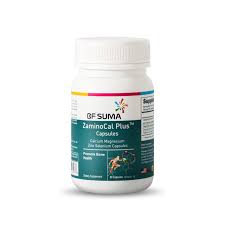
The body does not build bone from calcium alone. It requires zinc for osteoblast function, magnesium for vitamin D activation, and a balanced mineral environment that supports the continuous cycle of bone resorption and formation. Combined formulations like ZaminoCal Plus recognize this biological reality and deliver the integrated nutrition that bone health demands.