
Why Intimate pH Levels Matter More Than You Think
Introduction: The Power of a Single Number
If there is one number that defines feminine intimate health, it is pH. The pH scale measures acidity or alkalinity on a range from 0 to 14, with 7 being neutral. Values below 7 indicate acidity, and values above 7 indicate alkalinity. While this may seem like abstract chemistry, the pH of the vaginal environment is a concrete, measurable factor that directly determines whether beneficial bacteria flourish or harmful organisms gain a foothold.
A healthy vaginal pH falls between 3.8 and 4.5 — an acidic range that is maintained by beneficial Lactobacillus bacteria producing lactic acid. This specific acidity is not merely a byproduct of healthy function; it is the foundation upon which the entire vaginal defense system is built. Understanding why this number matters — and what threatens it — is essential knowledge for maintaining feminine health at every stage of life.
The Acid Mantle: Your Invisible Protective Shield
The concept of an "acid mantle" applies to the skin across your entire body, but it is especially critical in the intimate area. The vaginal acid mantle is a thin protective film composed of lactic acid, fatty acids, hydrogen peroxide, and other antimicrobial substances produced by Lactobacillus bacteria. This film creates a chemical environment that actively suppresses the growth of pathogenic organisms.
When pH is within the optimal 3.8 to 4.5 range, organisms like Gardnerella vaginalis (associated with bacterial vaginosis), Candida albicans (the primary cause of yeast infections), and E. coli (a leading cause of urinary tract infections) struggle to establish colonies. The acidic environment essentially starves these organisms of the alkaline conditions they prefer, keeping their populations in check without the need for pharmaceutical intervention.
However, when pH rises above 4.5 — becoming less acidic or more alkaline — this protective barrier weakens dramatically. Research has shown that even a modest increase in vaginal pH can significantly increase the risk of bacterial vaginosis, and that women with elevated vaginal pH face a substantially higher risk of recurrent infections.
What Causes pH to Rise
Multiple factors can shift vaginal pH toward alkaline territory:
Soap and cleanser use: Most conventional soaps have a pH between 9 and 10 — drastically more alkaline than the vaginal environment. Even external washing with these products can raise local pH and disrupt the acid mantle. This is one of the most common and easily preventable causes of pH disruption.
Menstruation: Blood has a pH of approximately 7.4, which is significantly more alkaline than healthy vaginal tissue. During menstruation, this temporary pH shift can increase susceptibility to infections, which is why many women notice increased vaginal discomfort during their periods.
Semen exposure: Seminal fluid has a pH between 7.2 and 8.0, and unprotected intercourse can temporarily raise vaginal pH. This is a normal, transient shift that typically resolves within hours as Lactobacillus populations restore acidity.
Hormonal changes: Declining estrogen levels during menopause reduce vaginal glycogen availability, which in turn reduces Lactobacillus populations and lactic acid production, leading to a naturally rising pH that contributes to vaginal dryness and increased infection susceptibility.
Restoring and Maintaining Optimal pH
The most effective strategy for pH maintenance combines awareness with appropriate product choices:
Choose pH-Matched Cleansing Products
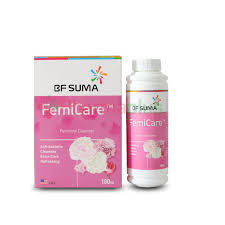
The single most impactful change many women can make is switching from conventional soap to a cleanser specifically formulated to match vaginal pH. Products designed with a pH between 3.8 and 4.5 support the acid mantle rather than undermining it.
Avoid Internal Washing
The vagina is self-cleaning. Internal douching or washing disrupts both the pH and the bacterial balance, often creating the very problems women attempt to solve. External cleansing with a pH-appropriate product is sufficient and far safer.
Support Your Lactobacillus Population
Probiotic-rich foods, adequate hydration, and the avoidance of unnecessary antibiotics all support the Lactobacillus bacteria that maintain your natural acidity.
A Simple Daily Habit With Outsized Benefits
Maintaining optimal vaginal pH does not require complicated routines or expensive interventions. It requires awareness, informed product selection, and the discipline to avoid well-intentioned but counterproductive habits like douching or using harsh soaps. A pH-balanced feminine cleanser applied externally during your daily shower is all that is needed to support the acid mantle that protects you around the clock.