
Understanding Your Vaginal Microbiome: The Delicate Ecosystem That Protects You
Introduction: An Ecosystem You Carry With You
The human body hosts hundreds of distinct microbial communities, each uniquely adapted to its specific environment. While gut microbiome research has dominated headlines in recent years, the vaginal microbiome is an equally complex and critically important ecosystem that directly influences feminine health, comfort, and confidence. Understanding how this ecosystem functions — and what it needs to thrive — is essential knowledge for every woman.
The vaginal microbiome is dominated by Lactobacillus species, beneficial bacteria that produce lactic acid and hydrogen peroxide to maintain an acidic environment hostile to harmful organisms. When this microbial community is balanced, it provides a remarkable first line of defense against infections, irritation, and discomfort. When the balance is disrupted, women become significantly more susceptible to bacterial vaginosis, yeast infections, urinary tract infections, and chronic irritation.
How the Vaginal Microbiome Works
The vagina maintains a naturally acidic pH typically ranging between 3.8 and 4.5 — roughly the acidity of a tomato. This acidity is not accidental; it is actively produced by Lactobacillus bacteria that ferment glycogen (a sugar stored in vaginal cells) into lactic acid. This acidic environment serves as a chemical barrier, inhibiting the growth of pathogenic bacteria, yeast, and other harmful microorganisms that might otherwise cause infection.
In addition to lactic acid production, Lactobacillus species generate hydrogen peroxide and biosurfactants — natural antimicrobial compounds that further reinforce the protective barrier. Some Lactobacillus strains also produce bacteriocins, proteins that directly kill or inhibit competing pathogenic bacteria. This multi-layered defense system is elegant, effective, and remarkably well-adapted to its purpose.
Published microbiome research (Ravel et al., 2011) has identified several distinct community state types within the vaginal microbiome. The healthiest profiles are those dominated by Lactobacillus crispatus, which produces the highest concentrations of lactic acid and hydrogen peroxide and is associated with the lowest rates of infection and inflammation.
What Disrupts the Balance
Numerous factors can disrupt the delicate vaginal microbiome, tipping the balance away from protective Lactobacillus species and toward potentially harmful organisms:
Harsh Cleansing Products
Many commercial soaps, body washes, and even some products marketed specifically as "feminine washes" contain surfactants, fragrances, and preservatives that strip away beneficial bacteria along with the acidic environment they maintain. Sodium lauryl sulfate (SLS), parabens, synthetic fragrances, and triclosan are particularly disruptive to vaginal flora.
Antibiotic Use
While necessary for treating bacterial infections, antibiotics cannot distinguish between harmful and beneficial bacteria. Broad-spectrum antibiotics can devastate Lactobacillus populations, leaving the vaginal ecosystem vulnerable to opportunistic overgrowth of yeast or anaerobic bacteria.
Hormonal Fluctuations
Estrogen levels directly influence vaginal glycogen availability, which in turn affects Lactobacillus populations. Periods of hormonal change — menstruation, pregnancy, menopause, and hormonal contraceptive use — can all shift the microbiome composition.
Douching and Internal Washing
The practice of douching — introducing water or solutions into the vaginal canal — is one of the most consistently documented disruptors of vaginal microbiome health. Medical organizations worldwide strongly advise against douching, as it flushes out protective bacteria and alters the chemical environment that maintains healthy balance.
Supporting Microbiome Health Through Smart Product Choices
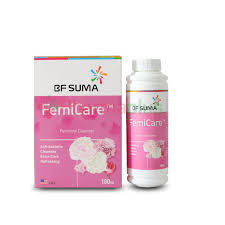
The most effective approach to vaginal microbiome support is gentle, pH-appropriate cleansing that respects the body's natural ecosystem. This means choosing external cleansing products specifically formulated to match vaginal pH, free from harsh surfactants and artificial fragrances, enriched with soothing botanical extracts that calm and protect sensitive tissue, and designed to cleanse without stripping the natural protective barriers.
A pH-balanced feminine cleanser with natural botanical ingredients provides the ideal balance of cleanliness and microbiome preservation. By cleansing externally with products that respect your body's chemistry, you support the Lactobacillus community that protects you from within.
When to Seek Additional Support
Persistent changes in odor, unusual discharge, itching, burning, or recurring infections may indicate a microbiome imbalance that requires attention. Recurrent bacterial vaginosis or yeast infections often signal an underlying disruption that gentle cleansing alone cannot resolve. In these cases, consulting a healthcare provider for targeted support — alongside consistent use of microbiome-friendly hygiene products — offers the most effective path to restored balance.
Nurturing Your Body's Natural Defenses
Your vaginal microbiome is not a problem to be managed — it is an ally to be supported. By understanding its needs and making informed choices about the products you use, you empower this remarkable ecosystem to protect you the way nature intended. A gentle, pH-balanced feminine cleanser formulated with botanical ingredients represents the simplest and most effective daily step you can take to support your intimate health.