
Preventing Bone Density Loss: A Global Health Crisis That Starts Earlier Than You Think
Introduction: The Silent Theft of Your Skeleton
Your skeleton is alive. It is a dynamic, constantly remodeling organ system that regularly replaces portions of its mass through a coordinated process of bone resorption (breakdown by osteoclasts) and bone formation (rebuilding by osteoblasts). For the first three to four decades of life, this process favors formation — your skeleton becomes progressively denser and stronger, reaching peak bone mass around age 30 to 35.
After peak bone mass, the equation reverses. Osteoclast activity gradually outpaces osteoblast activity, and your skeleton begins a slow, steady process of mineral loss. This is natural and unavoidable to some degree — but the rate at which it occurs varies dramatically based on nutrition, lifestyle, hormonal status, and supplementation choices. For millions of people worldwide, this gradual loss accelerates into clinically significant osteoporosis, leading to fractures that cause pain, disability, loss of independence, and even death.
The Global Scale of the Problem
Osteoporosis is a widespread condition affecting hundreds of millions of people globally. In the United States alone, tens of millions of people have osteoporosis or low bone density, resulting in millions of fractures annually.
The economic burden is staggering. In Europe, the annual healthcare costs of osteoporotic fractures run into tens of billions of euros. In the United States, osteoporotic fractures cost healthcare systems billions of dollars annually, a figure projected to rise as populations age.
But the human cost far exceeds the financial one. Hip fractures — the most serious consequence of osteoporosis — carry a significant mortality risk within the first year. Among those who survive, many never regain their previous level of function, requiring permanent assistance with daily activities.
When Bone Density Loss Begins
The critical insight about osteoporosis prevention is that it must begin decades before the disease becomes apparent. Peak bone mass is the single strongest predictor of lifetime fracture risk, and it is determined primarily by genetic factors and modifiable lifestyle factors.
Ages 20-35: Building the Bank
During this period, bone formation exceeds resorption, and each year of optimal nutrition and weight-bearing exercise adds to your bone "savings account." Adequate calcium, zinc, magnesium, vitamin D, and protein intake during this period maximizes peak bone mass.
Ages 35-50: Managing the Transition
After peak bone mass, resorption gradually exceeds formation. The goal shifts from building bone to minimizing loss. Consistent calcium and mineral supplementation, combined with regular weight-bearing exercise and adequate protein intake, can slow the rate of loss significantly.
Ages 50+: Defending Against Acceleration
Menopause in women triggers a dramatic acceleration of bone loss due to declining estrogen levels, which normally suppress osteoclast activity. Men experience a more gradual decline in testosterone, which plays a similar but less dramatic protective role. During this period, aggressive nutritional support — including combined calcium, zinc, and magnesium supplementation — becomes essential.
Risk Factors for Accelerated Bone Loss
Beyond age and hormonal status, several factors significantly increase osteoporosis risk:
Low body weight (BMI under 19) is associated with reduced bone density due to lower mechanical loading and reduced estrogen production from adipose tissue.
Smoking directly toxic to osteoblasts, reduces intestinal calcium absorption, and accelerates estrogen metabolism, creating a triple threat to bone health.
Excessive alcohol consumption interferes with calcium absorption, suppresses osteoblast activity, and increases fall risk — a dangerous combination.
Sedentary lifestyle deprives bones of the mechanical stress signals that stimulate osteoblast activity. Bone density responds to loading; without it, bones weaken.
Family history of osteoporosis increases risk through both genetic predisposition and shared lifestyle factors.
Low calcium, zinc, or vitamin D intake directly impairs the mineral supply and hormonal signaling that bone maintenance requires.
Prevention Is a Lifetime Investment
The most important message about bone density loss is that prevention is far more effective than treatment. Once significant bone density has been lost, rebuilding it is slow, difficult, and often incomplete. The choices you make today — about nutrition, supplementation, exercise, and lifestyle — determine the strength and resilience of your skeleton for decades to come.
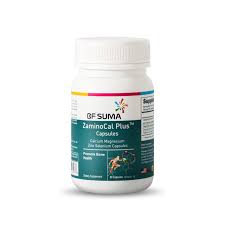
A comprehensive bone support supplement that combines calcium with zinc, magnesium, and other essential co-factors provides the mineral foundation that your bones need at every age. Combined with regular weight-bearing exercise, adequate vitamin D, and a balanced diet, this nutritional strategy represents the most effective defense against the silent epidemic of bone density loss.